Emirates Plans to Hire 20,000 New Staff in Next 5 Years
Emirates Plans to Hire 20,000 New Staff in Next 5 Years
DUBAI- Emirates Airline (EK) has announced plans to recruit nearly 20,000 operational staff by the end of the decade as it prepares for sustained fleet and network expansion.
The hiring push reflects upcoming aircraft deliveries, rising network demand, and long-term growth plans anchored at Dubai International Airport (DXB).
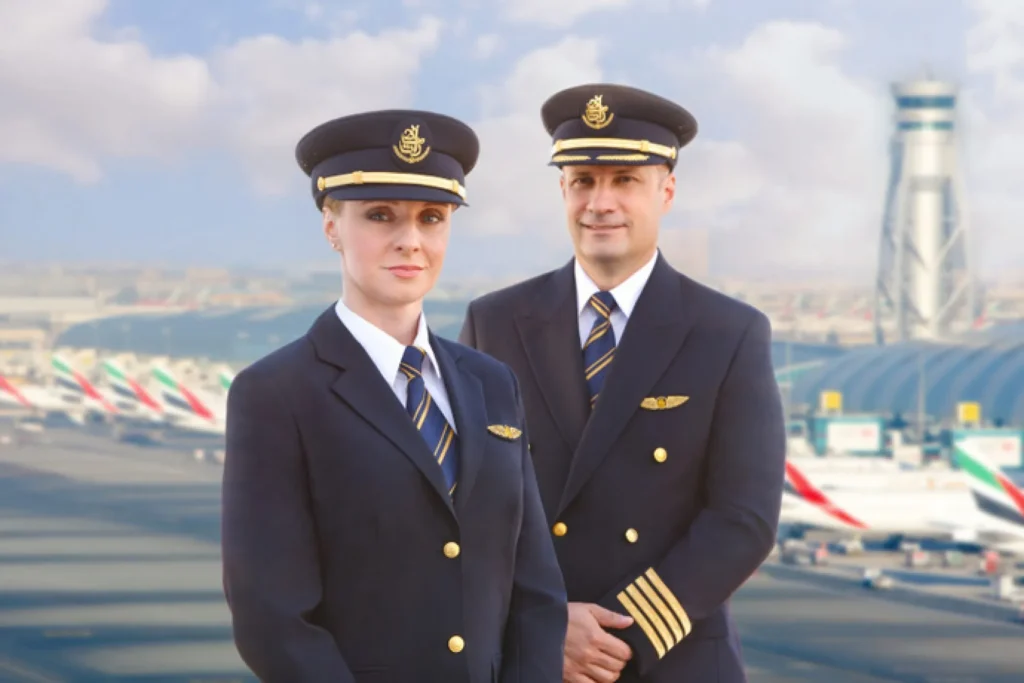
Emirates Plans 20,000 Recruitment
Emirates confirmed the recruitment plan during a media roundtable at its Dubai headquarters, led by Adel Al Redha, Deputy President and Chief Operations Officer (COO).
The airline expects steady hiring as new aircraft enter service and as routes expand in both frequency and geography.
The additional staff will support aircraft deployed to new destinations and existing routes that require higher frequencies. According to Al Redha, hiring remains continuous and closely tied to delivery timelines rather than short-term market conditions.

Operational Roles in Focus
The recruitment drive targets core operational roles across the airline. These include cabin crew, pilots, engineers, technicians, and airport services staff. The 20,000 figure applies strictly to operational positions.
Beyond these roles, Emirates anticipates additional hiring in IT and administrative functions, although these are not included in the stated figure. The airline continues to receive applications from both within the UAE and international markets.
Emirates operates in-house training programs to support recruitment, but internal capacity alone does not meet total workforce requirements. External hiring remains essential to sustain growth.
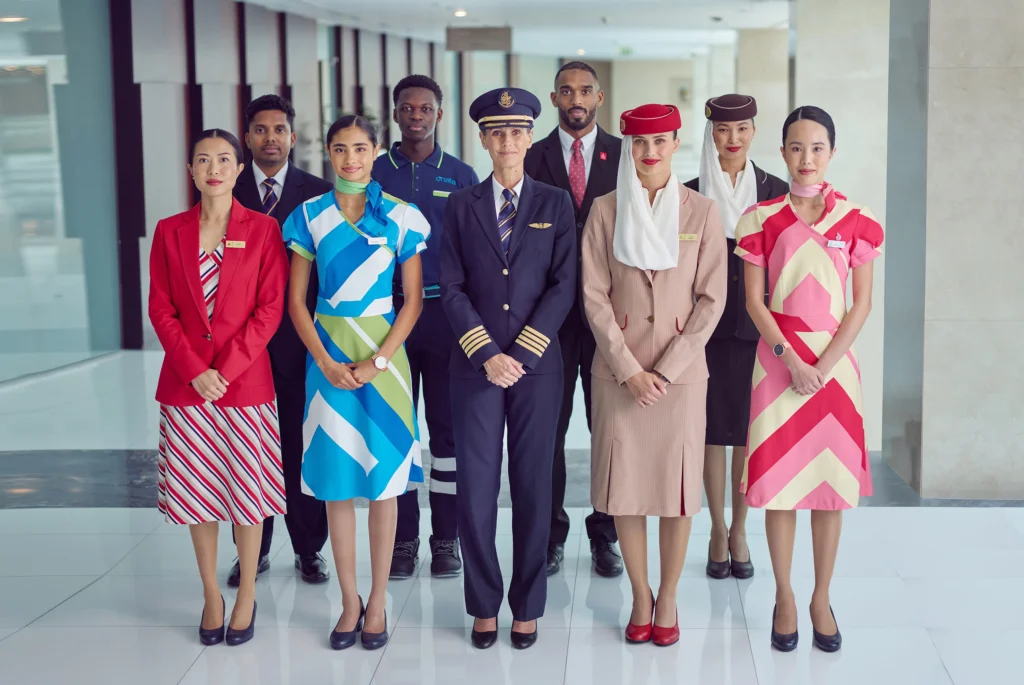
Emirati Nationals Recruitment Programmes
Emirates is expanding dedicated programmes aimed at increasing the number of UAE nationals across key functions. These programmes cover engineering, cabin crew, IT, and management roles.
Current intake capacity allows for approximately 120 Emirati recruits per year in cabin crew and engineering programmes.
The airline plans to scale this number gradually by expanding training infrastructure. Similar graduate pathways exist for IT and management, with participants deployed across the global network in operational and leadership roles.
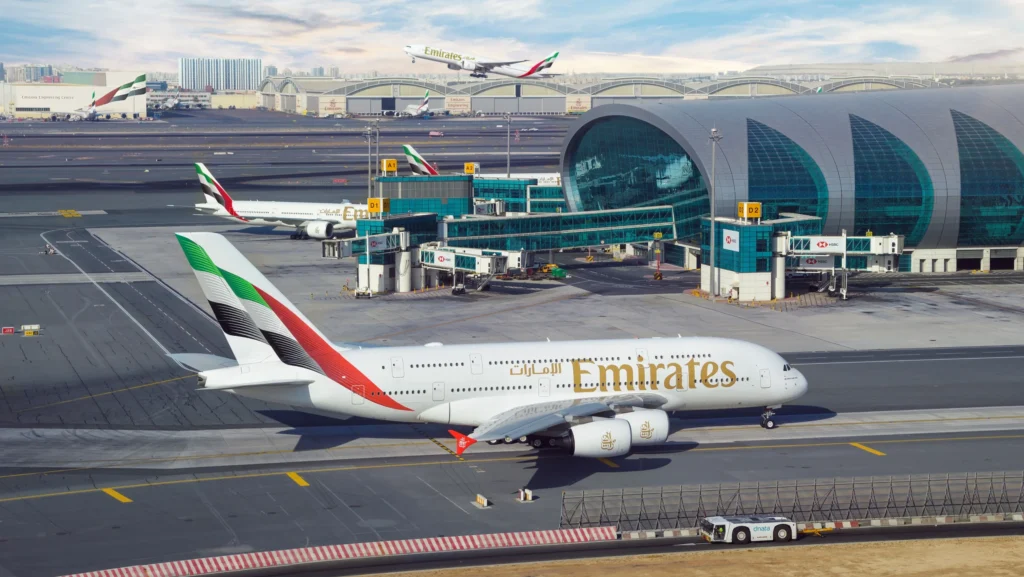
Recruitment Outlook and Talent Availability
Addressing industry-wide recruitment challenges, particularly for pilots, Emirates stated it has not faced significant constraints. The airline attributes this to Dubai’s strong appeal as a global employment destination.
Dubai offers long-term security, competitive lifestyle standards, and broad cultural integration. These factors continue to attract skilled professionals willing to relocate, reducing resistance often seen in other markets.
Aircraft Deliveries Driving Hiring Demand
The recruitment strategy is directly linked to Emirates’ aircraft delivery schedule. The airline expects to receive 17 Airbus A350 aircraft within the current calendar year. These aircraft will support network expansion and frequency increases.
Boeing 777X deliveries are scheduled to begin in 2027. No Boeing aircraft deliveries are planned for the current year.
Emirates also confirmed that a separate hiring drive will follow for a planned seat manufacturing unit in Dubai, a joint venture with Safran.

Network Demand Remains Strong
Despite regional tensions that have prompted some European carriers to scale back Middle East operations, Emirates reports stable demand across its entire network.
The airline continues to operate 100 percent of its published schedule using standard contingency measures. No disruptions or material demand shifts have been observed to date.